
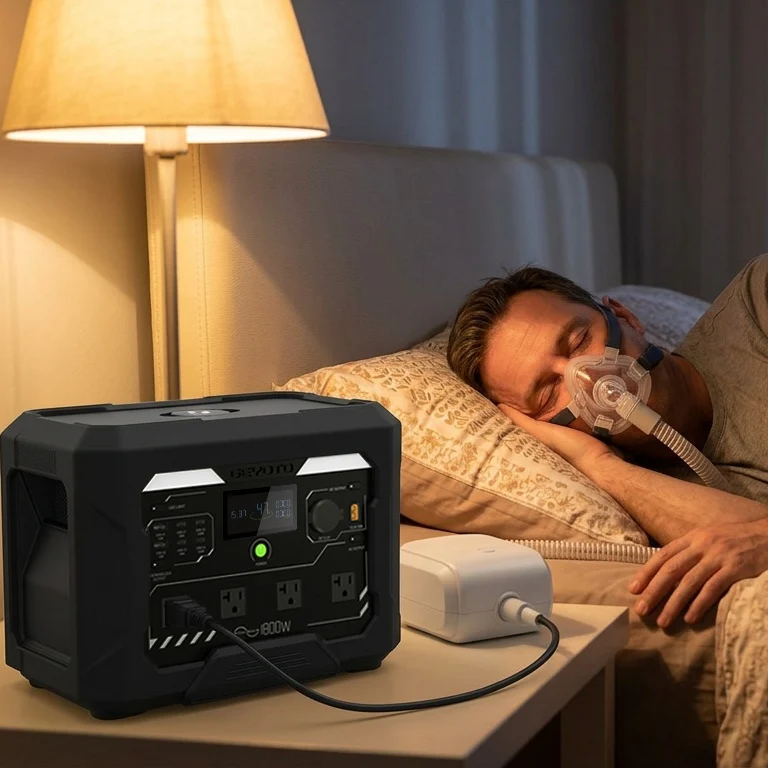
Hurricanes can bring powerful winds, heavy rainfall, flooding, and widespread power failures that may last for hours or even several days. Preparing before a storm arrives is one of the best ways to protect your household, maintain communication, and keep essential devices operating. A reliable battery backup for hurricane power outage situations can become an important part of an emergency preparedness plan, especially when the electrical grid is damaged or utility crews need time to restore service.
Why Hurricane Power Outages Require Preparation
Power outages caused by hurricanes are often different from short interruptions caused by everyday electrical problems. Severe weather can damage power lines, transformers, substations, and other infrastructure. In some areas, flooding and blocked roads may also make repairs more difficult.
Without electricity, everyday activities can quickly become challenging. Refrigerators and freezers may stop working, phones can lose their charge, internet connections may become unavailable, and medical equipment that depends on electricity may be affected. Lighting can also become a concern after sunset.
Preparing in advance allows you to identify your most important electrical needs. Instead of waiting until the storm is approaching, you can determine how much power you need, charge your equipment, and organize your emergency supplies while conditions are still safe.
Understanding Battery Backup Options
A battery backup system stores electrical energy so it can be used when the main power supply is unavailable. Several types of systems can be useful during hurricanes, depending on your energy requirements and budget.
Portable power stations are popular because they combine a rechargeable battery with power outlets and charging ports. Many models can power phones, laptops, lights, small fans, routers, and other essential electronics. Some larger units can support higher-demand appliances for limited periods.
Uninterruptible power supplies, commonly known as UPS systems, are designed primarily for electronics that need continuous power. They can provide short-term backup for computers, networking equipment, and other sensitive devices. While they may not provide enough capacity for extended outages, they can be useful for protecting essential electronics from sudden power interruptions.
Home battery systems offer greater capacity and may be connected to a home’s electrical system. These systems can provide backup power for selected circuits or, depending on the installation, a larger portion of the home. They typically require more planning and professional installation than portable solutions.
Calculate Your Essential Power Needs
Before choosing a backup system, make a list of the devices you consider essential during a hurricane-related outage. This might include smartphones, rechargeable lights, Wi-Fi equipment, laptops, fans, medical devices, and refrigerators.
Each device uses a different amount of electricity. A small phone charger may require relatively little energy, while a refrigerator or portable air conditioner can consume significantly more. Check the wattage information on your appliances and estimate how long you expect to use them.
For example, if you only need to charge phones and operate LED lights, a compact battery system may be sufficient. If you want to operate a refrigerator, medical equipment, or other high-demand devices, you will need a much larger capacity.
It is also important to distinguish between running watts and starting watts. Some appliances, particularly those with motors or compressors, require additional power when they initially start. Your backup system should be capable of handling these temporary surges.
Charge Everything Before the Storm
One of the simplest but most important preparation steps is charging your devices before the hurricane arrives. Fully charge your phones, tablets, laptops, rechargeable flashlights, radios, and power banks.
If you have a portable battery system, charge it to the recommended level before the storm. Avoid waiting until the last minute, as severe weather can cause unexpected power interruptions before the hurricane reaches your area.
Keep charging cables organized and make sure you have the correct cables for the devices your household uses. A backup battery is less useful if you cannot connect the equipment you need to charge.
It can also be helpful to maintain a dedicated emergency charging kit. Store compatible cables, adapters, and power banks together so you can quickly access them when needed.
Protect Your Backup Equipment
Hurricane preparation is not only about having enough energy. You must also protect your equipment from water, heat, and physical damage. Keep portable power stations and batteries in a dry, secure location away from windows and areas vulnerable to flooding.
Never place electrical equipment where rising water could reach it. Even if a device is advertised as durable, exposure to water can create serious safety hazards.
Follow the manufacturer’s instructions for storing and operating batteries. Avoid exposing battery systems to extreme temperatures, and inspect equipment for signs of damage before use.
Plan for Extended Outages
A hurricane may cause an outage that lasts much longer than expected. For this reason, energy conservation should be part of your emergency plan.
Use backup power only for essential devices whenever possible. Turn off equipment that is not needed, reduce unnecessary screen time, and avoid leaving chargers connected when they are not actively charging devices.
Prioritize communication and safety. Keeping phones charged allows you to receive emergency alerts and contact family members. Rechargeable lanterns can provide lighting without requiring continuous use of a battery station.
If your household depends on electricity for critical medical equipment, discuss your emergency power plan with your healthcare provider before hurricane season. You may need a more reliable backup strategy and should know what to do if the outage continues for an extended period.
Consider Solar Charging
Solar panels can provide another way to recharge compatible battery systems when grid electricity is unavailable. During a prolonged outage, solar charging may help extend the usefulness of a portable power station.
However, solar charging depends on sunlight and weather conditions. Hurricanes often bring heavy clouds and rain, so solar panels should be viewed as a supplementary charging option rather than the only source of backup energy.
If you plan to use solar charging, test the setup before hurricane season. Learn how long the system typically takes to recharge and understand how weather conditions affect its performance.
Create a Complete Emergency Power Plan
A battery backup for hurricane power outage emergencies works best when it is part of a broader preparedness strategy. Alongside backup batteries, keep essential supplies such as drinking water, nonperishable food, flashlights, batteries, first-aid materials, and emergency communication equipment.
Write down the devices that should receive priority during an outage. Decide which family members are responsible for monitoring the battery system and charging devices. If you have multiple backup units, know which one is intended for communication equipment and which one is reserved for higher-priority appliances.
It is also wise to test your equipment periodically. Confirm that batteries hold a charge, cables work properly, and everyone in the household knows how to operate the system safely.
Final Thoughts
Hurricane preparation is most effective when completed well before severe weather threatens your area. A suitable backup battery can help keep essential electronics running, support communication, and provide valuable convenience during a prolonged outage.
The right system depends on your household’s specific needs, including the number of devices you want to operate, their power requirements, and the expected duration of an outage. By calculating your energy needs, charging equipment in advance, protecting your batteries, and practicing energy conservation, you can be better prepared when the electrical grid goes down.
A thoughtful battery backup for hurricane power outage plan does not eliminate every challenge caused by severe weather, but it can give your household greater flexibility and peace of mind. Preparing early ensures that when the storm arrives, your emergency power equipment is ready to support the devices and services that matter most.