
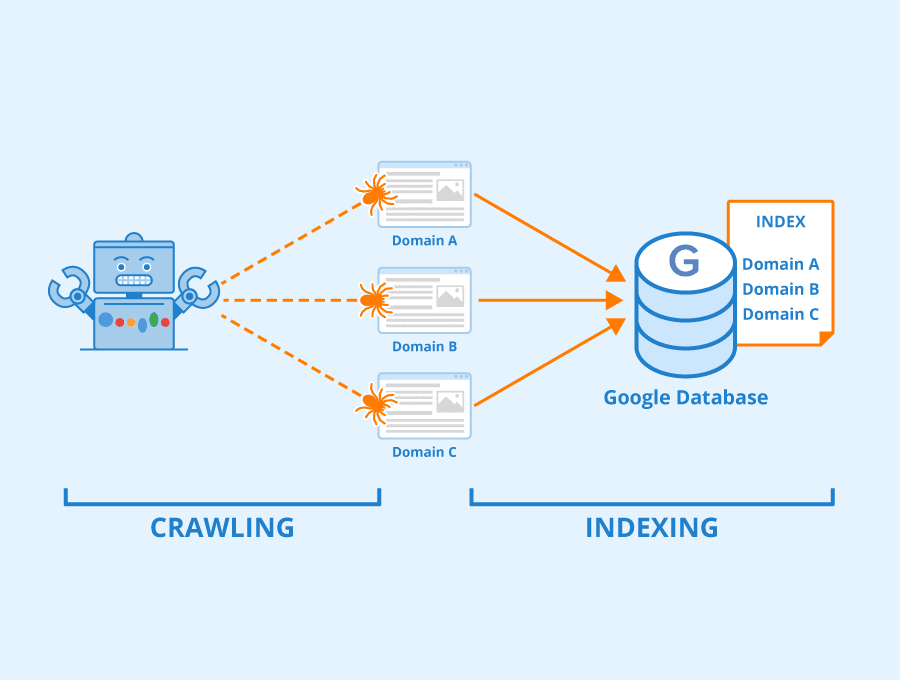
Search engines continuously discover and organize billions of web pages. For website owners, publishers, marketers, and businesses, getting a new page discovered by search engines is an important part of building online visibility. While search engines use automated crawlers to find and process web content, discovery can sometimes take time, particularly when a website is new, has limited external links, or publishes pages frequently. This is where an URL indexer can support a more organized approach to search engine discovery.
An URL indexer is a tool or service designed to help website owners submit URLs and improve the process of getting those URLs discovered by search engines. It does not guarantee rankings or instant indexing, but it can help make URLs easier to identify, monitor, and manage as part of a broader SEO strategy. Understanding how URL indexing works can help businesses build a more efficient approach to technical SEO.
Understanding Search Engine Discovery
Before discussing URL indexers, it is important to understand the difference between discovery, crawling, and indexing. Search engines use automated programs, commonly known as crawlers or bots, to discover web pages. A crawler may find a URL through internal links, external websites, sitemaps, feeds, or other signals.
Once a URL is discovered, the search engine may crawl the page and evaluate its content. If the page meets the search engine’s technical and quality requirements, it may eventually be added to the search engine’s index. Indexed pages can then become eligible to appear in relevant search results.
This process is not always immediate. A website with thousands of new pages may require a structured strategy for helping search engines discover important content efficiently. This is one area where Link Indexing can become part of an overall technical SEO workflow.
What Is an URL Indexer?
An URL indexer is a platform or software solution that helps users organize and submit website URLs for discovery. Depending on the service, an indexer may provide features such as URL submission, campaign management, indexing status monitoring, reporting, and URL organization.
The primary purpose is to simplify the process of handling URLs that need attention. Instead of manually managing large lists of pages, website owners can use an indexer to create a more systematic workflow.
However, an important distinction should be made: submitting a URL does not mean that a search engine will automatically index it. Search engines make their own decisions about crawling and indexing based on many factors, including content quality, technical accessibility, website structure, duplication, and overall usefulness.
Managing Large URL Lists
For websites with many pages, manually tracking URLs can quickly become difficult. An URL indexer can provide a centralized way to organize these URLs.
For example, an online store may have hundreds or thousands of product pages. A publisher may regularly create new articles, while a business website may have service pages, location pages, and resource content. Managing these URLs through an organized indexing workflow can reduce administrative work.
How an URL Indexer Can Support Faster Discovery
One of the main advantages of an URL indexer is that it can make URL submission more structured. When new pages are published, website owners can identify important URLs and place them into an organized process rather than simply waiting for discovery to happen naturally.
Supporting URL Submission
An indexing platform can help website owners submit URLs through available discovery mechanisms. This can be useful when a page is newly published and has not yet received many internal or external links.
Submission is only one part of the process, but it can help website administrators maintain a consistent workflow for newly created or updated pages.
Improving URL Organization
Large websites often have many different URL categories. Some pages may be new, some recently updated, and others may be more important from a business perspective.
An indexer can help users group URLs according to campaigns, projects, websites, content types, or other organizational criteria. Better organization makes it easier to identify which pages need attention and which URLs have already been processed.
Monitoring Indexing Progress
Another useful feature offered by some indexing solutions is status monitoring. Instead of submitting URLs and forgetting about them, website owners can track their progress.
Monitoring can help identify patterns. For instance, if certain types of pages consistently remain undiscovered or unindexed, the website owner may need to investigate technical issues, internal linking, content quality, or crawl accessibility.
Link Indexing and Website Architecture
rapid url indexer should not be considered a replacement for a strong website structure. Search engines need clear pathways through which crawlers can move around a website.
Internal links are particularly important because they connect related pages and help establish relationships between different sections of a website. A well-structured navigation system can make important pages easier for both users and search engine crawlers to reach.
An URL indexer can complement this structure by helping website owners manage important URLs, but strong internal linking remains an essential foundation.
Using XML Sitemaps
XML sitemaps are another important discovery resource. A sitemap provides search engines with a list of URLs that website owners consider important.
For larger websites, maintaining an accurate sitemap can help search engines understand which pages exist. URLs submitted through an indexing workflow should also be checked for technical accessibility and appropriate sitemap inclusion where relevant.
Technical Factors That Affect Indexing
An URL indexer cannot overcome fundamental technical problems. If a page is blocked from crawling, returns an error, contains inappropriate canonical instructions, or has other technical problems, submitting it repeatedly may not solve the underlying issue.
Website owners should therefore review important technical elements before focusing heavily on indexing.
Pages should generally be accessible to search engine crawlers, return appropriate status codes, and contain useful, original content. Canonical tags should accurately identify preferred versions of pages, while robots directives should not unintentionally prevent important content from being crawled.
Content Quality Matters
Search engines evaluate more than the existence of a URL. They also consider the usefulness and quality of the content associated with that URL.
Publishing large quantities of thin, duplicated, or low-value pages can create indexing challenges. A better strategy is to create useful content that satisfies genuine search intent and supports the needs of visitors.
An indexing tool works most effectively when it is used alongside high-quality content and sound technical SEO practices.
Benefits for Growing Websites
As a website grows, managing discovery becomes increasingly important. An URL indexer can help create a repeatable process for newly published pages, updated content, and larger URL collections.
For SEO teams, this can make URL management more efficient. For content publishers, it can provide greater visibility into the discovery process. For businesses, it can help ensure that important landing pages are not overlooked during routine SEO activities.
The greatest value comes from combining indexing management with other SEO fundamentals rather than treating an indexer as a standalone ranking solution.
Building an Effective Indexing Workflow
A practical workflow can begin with identifying important URLs. Next, website owners should verify that those pages are accessible, useful, internally linked, and technically sound. XML sitemaps should be maintained, and appropriate URL submission methods can then be incorporated into the process.
After submission, monitoring can help determine whether pages are being discovered and indexed. If problems appear, the focus should shift toward diagnosing the cause rather than repeatedly submitting the same URL.
This approach makes Link Indexing part of a broader technical SEO system rather than an isolated activity.
Conclusion
An URL indexer can support faster search engine discovery by helping website owners organize URL submissions, manage large collections of pages, and monitor indexing-related activity. It can be particularly useful for websites that publish content frequently or manage substantial numbers of URLs.
However, indexing tools should complement—not replace—fundamental SEO practices. Strong internal linking, accurate XML sitemaps, accessible pages, useful content, appropriate canonicalization, and sound technical architecture all contribute to effective search engine discovery.
When these elements work together, Link Indexing becomes a structured part of website management. Rather than relying entirely on search engines to discover every page naturally, website owners can establish a more organized process for helping important content enter the discovery and indexing pipeline.