
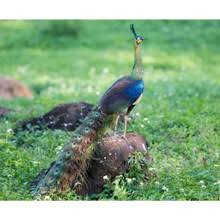
Buying baby peacocks can be an exciting experience for people interested in ornamental birds, exotic poultry, and wildlife-friendly properties. Young peafowl are attractive, curious, and fascinating to observe baby peacocks for sale as they grow. However, raising these birds requires careful preparation, appropriate housing, suitable nutrition, and a long-term commitment. Before purchasing peachicks, it is important to understand their needs and determine whether your property and experience are suitable for keeping them.
Making an informed decision can help you provide a healthy environment for your birds while avoiding common problems associated with inexperienced ownership. From choosing a reputable breeder to preparing a safe enclosure, several factors deserve attention before bringing baby peafowl home.
Understand the Different Types of Peafowl
Before buying baby peacocks, learn about the different types of peafowl available. The Indian peafowl is one of the most recognizable varieties, known for its colorful plumage and the impressive train developed by adult males. Green peafowl are another type, although their care requirements, conservation status, and legal restrictions may differ.
The term peacock specifically refers to a male bird, while peahen refers to a female. Young birds are commonly called peachicks, regardless of their sex. When shopping for young peafowl, make sure the seller clearly identifies the species or variety being offered.
Some varieties may have different appearances, temperaments, and environmental needs. Researching these differences before making a purchase will help you select birds that suit your available space and experience level.
Choose a Reputable and Responsible Breeder
The quality and health of baby peafowl depend partly on the conditions in which they were bred and raised. Therefore, choosing a responsible breeder should be one of your first priorities.
A reliable seller should be willing to explain the birds’ age, feeding routine, general health, and early care history. They should also provide clear information about the species and any relevant documentation. Avoid sellers who cannot answer basic questions or appear unwilling to discuss the birds’ living conditions.
Whenever possible, learn how the chicks have been housed and whether they have received appropriate care. Clean surroundings, access to suitable food and water, and attentive daily management are important indicators of responsible husbandry.
Do not make a purchase based solely on a low price or attractive photographs. A healthy bird from a responsible source is generally a better choice than an inexpensive chick whose background and condition are uncertain.
Evaluate the Health of Baby Peafowl
Health should be a major consideration when choosing baby peacocks. Young birds are particularly vulnerable to unsuitable temperatures, poor nutrition, dehydration, and infectious diseases.
Observe the chicks carefully before purchasing them. Healthy-looking birds are generally alert, responsive, and capable of moving normally. Their eyes should appear clear, their breathing should be comfortable, and their feathers should be reasonably clean for their age.
Be cautious if a chick appears unusually weak, struggles to stand, has persistent breathing difficulties, or shows discharge around its eyes or nostrils. Changes in droppings, poor appetite, and unusual inactivity may also indicate health concerns.
Appearance alone cannot guarantee that a bird is free from disease. Ask the breeder about recent health problems in the flock and arrange advice from a veterinarian experienced with poultry or ornamental birds when necessary.
If you already keep other birds, plan to separate newly acquired peachicks from the existing flock for an appropriate quarantine period. A veterinarian can recommend suitable precautions based on the birds’ history and local disease risks.
Prepare Suitable Housing Before Purchase
Baby peafowl need secure, comfortable housing that protects them from harsh weather, predators, and environmental hazards. Their enclosure should be ready before the chicks arrive rather than prepared at the last minute.
Young birds require a warm, dry, and well-ventilated brooding area. The temperature must be appropriate for their age, with enough space to move away from the heat source if they become too warm. Observe their behavior and adjust conditions carefully.
As they grow, peachicks need more room to move, explore, and develop their natural behaviors. Their housing should include secure fencing, suitable shelter, dry bedding, and protection against predators. Avoid overcrowding because it can increase stress and contribute to health problems.
Peafowl can become strong flyers, so enclosure design also matters. A suitable covered enclosure or appropriately designed aviary can help prevent escapes and reduce exposure to danger. Before buying, check the available space on your property and make sure it can accommodate the birds as they mature.
Understand Their Feeding and Nutrition Needs
Proper nutrition is essential for healthy growth. Baby peafowl need a balanced diet formulated for their developmental stage rather than an improvised feeding routine based on household scraps.
Ask the breeder what the chicks currently eat and how often they are fed. Maintaining a consistent diet during the transition to a new home can reduce unnecessary stress. If a dietary change is needed, introduce it carefully with guidance from an experienced avian veterinarian or qualified poultry specialist.
Use an appropriate commercial game-bird or other veterinarian-recommended starter feed that meets the chicks’ nutritional requirements. The correct protein level and formulation depend on age, product specifications, and local feeding guidance.
Fresh, clean drinking water must always be available in suitable containers. Waterers should allow the chicks to drink easily without creating a drowning risk or soaking the bedding. Clean feeding equipment regularly to maintain good hygiene.
Avoid relying on bread, kitchen leftovers, or random mixtures of grains as the primary diet. Such foods may not provide the nutrients needed for proper development.
Consider the Time and Cost Involved
The purchase price is only one part of the expense of raising baby peafowl. Responsible ownership includes the ongoing costs of food, housing, bedding, cleaning supplies, veterinary care, and repairs.
You may also need to invest in brooding equipment, temperature monitoring, secure fencing, and predator protection. Unexpected veterinary expenses should be included in your financial planning.
Time is equally important. Young birds require regular feeding, observation, cleaning, and environmental monitoring. Their needs may be more demanding during the early stages of life than those of mature birds.
Before purchasing, consider whether you can maintain a consistent daily routine. If you travel frequently or have limited time for animal care, arrange reliable assistance or reconsider whether raising peachicks is practical for your situation.
Check Local Laws and Ownership Requirements
Legal requirements should be investigated before buying peafowl. Rules regarding exotic birds, wildlife ownership, animal welfare, breeding, transportation, and sales vary by location and species.
Some areas may require permits or documentation, while certain species may be subject to additional restrictions. Requirements can also differ between residential properties, agricultural land, and commercial breeding facilities.
Confirm the applicable rules with the relevant local authorities before making a purchase. If birds are being transported across regional or international borders, additional veterinary certificates or movement documents may be necessary.
It is also wise to consider your neighbors. Adult peafowl can make loud calls, especially during certain seasons. Their noise, roaming behavior, and space requirements may create difficulties in densely populated areas.
Responsible ownership means considering both legal obligations and the effect the birds may have on the surrounding community.
Learn About Their Behavior and Long-Term Needs
Baby peafowl may look small and manageable, but they eventually develop into large birds with distinct behavioral needs. Understanding their adult characteristics is essential before bringing them home.
Peafowl are naturally curious and benefit from opportunities to explore their surroundings safely. They need adequate space, appropriate shelter, and an environment that supports normal movement and social behavior.
Their temperament can vary between individuals. Some birds may become accustomed to familiar caretakers, while others remain cautious. Gentle, consistent handling and calm interactions can help reduce unnecessary stress, but peafowl should not be treated like domesticated pets that automatically enjoy close contact.
Consider whether you have the facilities to accommodate the birds throughout their lives. Peafowl can live for many years with appropriate care, making this a long-term responsibility rather than a short-term hobby.
Ask Important Questions Before Buying
Before completing a purchase, gather as much reliable information as possible about the chicks. Ask the breeder about their exact age, feeding schedule, health history, parent birds, and the conditions in which they were raised.
Find out whether the birds have been examined by a veterinarian and whether any health concerns have occurred in the flock. Ask about their current housing conditions and the recommended transition process.
You should also clarify the seller’s policy if a chick becomes ill shortly after purchase. Although no policy can eliminate every risk, transparent communication helps establish reasonable expectations.
Avoid rushing into a decision because a particular bird looks attractive or is available at a discounted price. Take time to compare sellers, assess the birds’ condition, and confirm that you can meet their needs.
Conclusion
Buying baby peacocks requires more preparation than simply finding attractive chicks for sale. Prospective owners should research the species, choose a responsible breeder, assess the birds’ health, prepare suitable housing, and understand their nutritional and behavioral requirements.
Financial planning, local regulations, and long-term care commitments are equally important. By addressing these factors before purchasing, you can make a more responsible decision and create a safer environment for your future birds.
The best approach is to prioritize animal welfare over appearance or price. With proper preparation, suitable facilities, and access to knowledgeable veterinary support, raising baby peafowl can become a rewarding experience for people who are ready to provide consistent and responsible care.