
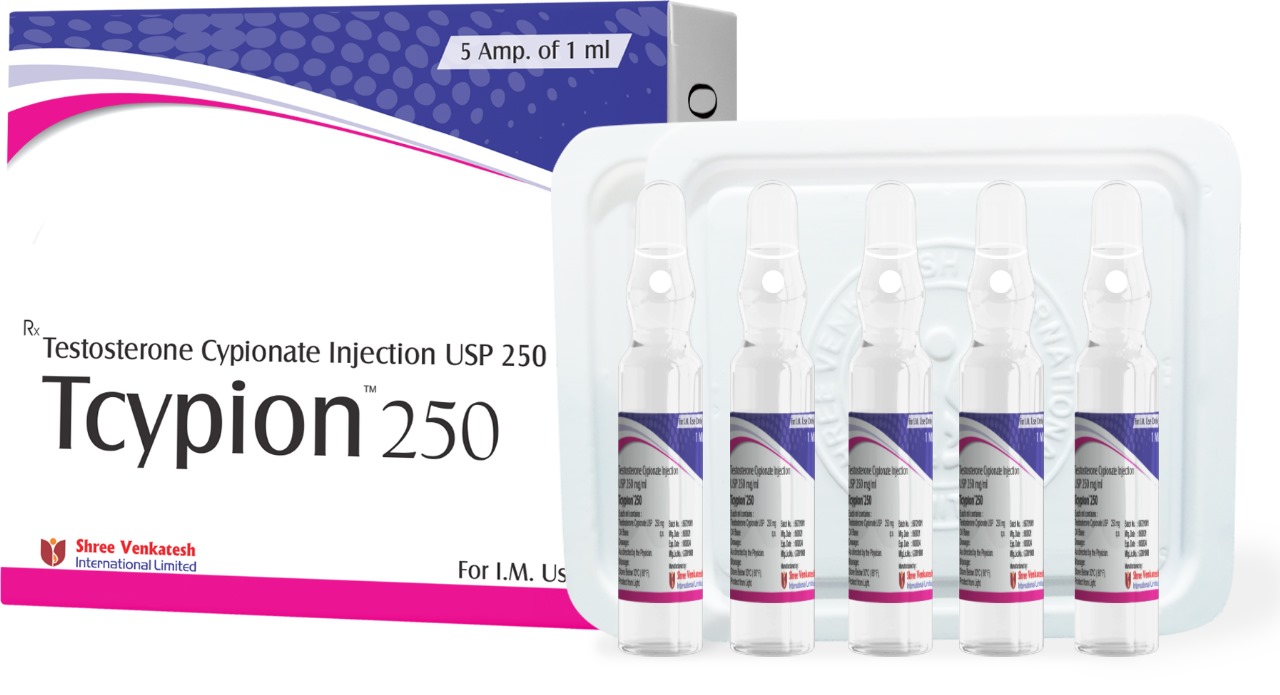
Searching for testosterone cypionate for sale can lead buyers to pharmacies, clinics, online marketplaces, and websites that make different claims about availability. However, testosterone cypionate is a prescription medication, and purchasing it is not the same as buying an ordinary health or fitness product. Buyers should understand the medical, legal, and safety requirements before considering any source.
Testosterone cypionate is an injectable form of testosterone used in certain situations where medically appropriate testosterone replacement is required. Because testosterone affects multiple body systems and can produce significant side effects, treatment should be based on an appropriate medical evaluation rather than advertising claims, bodybuilding goals, or recommendations from unqualified sellers.
Understanding Testosterone Cypionate
Testosterone cypionate belongs to a group of medicines known as androgens. It is generally administered by injection and releases testosterone over time. Healthcare professionals may prescribe testosterone therapy for certain patients with confirmed testosterone deficiency and an appropriate clinical indication.
A prescription does not automatically mean that testosterone therapy is suitable for everyone who experiences tiredness, reduced exercise performance, changes in mood, or other nonspecific symptoms. Testosterone levels can vary, and several medical or lifestyle factors can contribute to similar symptoms.
For this reason, clinicians typically consider symptoms alongside laboratory testing, medical history, physical examination, and other relevant factors before recommending treatment.
Why a Prescription Matters
One of the most important considerations when researching testosterone cypionate for sale is whether the product is being supplied through a legitimate medical and pharmacy system. Prescription requirements exist because testosterone can have meaningful effects on health and requires appropriate monitoring.
A qualified healthcare professional can determine whether testosterone treatment is medically appropriate and establish a treatment plan. Depending on the patient’s circumstances, monitoring may include testosterone measurements and assessments related to blood counts, prostate health, cardiovascular risk, and other relevant considerations.
Using testosterone without medical supervision can make it difficult to identify complications early. It can also result in inappropriate dosing, unnecessary treatment, or interactions with other medicines.
Legal Requirements Vary by Location
The rules governing testosterone differ between countries and, in some cases, between regions within a country. In many jurisdictions, testosterone is a controlled or prescription-only medicine. This means purchasing, possessing, importing, or distributing it may be subject to specific legal requirements.
Online shoppers should therefore avoid assuming that a website offering testosterone is legally authorized to sell it. A website may advertise international shipping, low prices, or products described as pharmaceutical grade without demonstrating that it complies with the laws applicable to the buyer.
Before obtaining prescription testosterone, consumers should check the requirements established by their country’s medicines regulator and use appropriately licensed healthcare and pharmacy services.
Choosing a Legitimate Healthcare Route
When evaluating testosterone cypionate for sale, buyers should focus less on price and more on whether the entire supply chain is legitimate. A responsible process normally involves consultation with a qualified healthcare professional, appropriate testing when indicated, a valid prescription where required, and dispensing through an authorized pharmacy.
Legitimate healthcare providers should not promise testosterone therapy to everyone. They should also be willing to discuss potential risks, alternatives, monitoring requirements, and reasons treatment might not be appropriate.
Websites that sell prescription medicines without requiring appropriate medical oversight should be approached with particular caution. An unusually low price, guaranteed results, anonymous sellers, or pressure to make an immediate purchase can all be warning signs.
Risks of Unverified Products
Products obtained from unauthorized sources can present risks beyond the effects of testosterone itself. There may be concerns about incorrect strength, contamination, improper storage, counterfeit labeling, or an unknown active ingredient.
Injectable medicines require particular attention to sterility and handling. A product that has been improperly manufactured or stored can potentially cause serious complications.
Buyers should never assume that packaging, photographs, brand names, or laboratory-style labels prove that a product is authentic. When prescription treatment is necessary, obtaining medicine through a regulated healthcare and pharmacy system provides important safeguards.
Medical Considerations Before Treatment
Testosterone therapy can affect several aspects of the body. Potential concerns can include changes in red blood cell levels, acne or oily skin, fluid retention, changes in fertility, breast-related effects, sleep-related problems, and changes in prostate-related markers.
Testosterone may also affect cardiovascular and metabolic considerations in some individuals. The appropriate risk assessment depends on the patient’s age, medical history, laboratory results, other medications, and treatment goals.
Fertility is another important consideration. Testosterone therapy can suppress the body’s natural production of testosterone and sperm. Someone planning to have children should discuss fertility implications with a healthcare professional before starting treatment.
Monitoring Is Part of Responsible Treatment
Obtaining a prescription is only one part of medically supervised testosterone therapy. Continued monitoring helps clinicians determine whether treatment is producing an appropriate benefit and whether adjustments are necessary.
Patients should follow the administration schedule provided by their healthcare professional rather than changing the amount or frequency independently. They should also report unexpected or concerning symptoms instead of attempting to correct problems by changing the treatment themselves.
Regular follow-up appointments can provide an opportunity to review symptoms, laboratory results, side effects, and overall treatment goals.
Be Careful With Online Claims
Search results for testosterone cypionate for sale can include advertisements that emphasize strength, muscle development, energy, or rapid physical changes. Such marketing should not replace medical advice.
Claims about guaranteed outcomes are especially problematic because individual responses to testosterone therapy vary. Testosterone is also not a general-purpose solution for improving athletic performance or treating every form of fatigue.
Consumers should distinguish between educational information from recognized medical sources and promotional material designed primarily to encourage a purchase.
Questions Buyers Should Ask
Before pursuing testosterone treatment, consumers can consider several important questions. Is the medicine legally available by prescription in their location? Has a qualified healthcare professional evaluated them? Are laboratory tests appropriate? Is the dispensing pharmacy properly authorized? Does the treatment plan include follow-up monitoring?
It is also useful to understand exactly what medication has been prescribed, how it should be stored and administered, what side effects require medical attention, and whether other medicines or health conditions could affect treatment.
These questions help shift the focus from simply finding testosterone cypionate for sale toward obtaining appropriate and supervised medical care.
Final Considerations
The phrase testosterone cypionate for sale may produce many online results, but availability does not necessarily mean that a product is legal, authentic, safe, or medically appropriate. Testosterone cypionate is a prescription medicine that should be obtained through legitimate healthcare channels and used according to professional guidance.
Consumers can protect themselves by verifying local prescription requirements, consulting a qualified healthcare professional, using an authorized pharmacy, avoiding unverified sellers, and following recommended monitoring procedures. A responsible approach prioritizes diagnosis, patient safety, legal compliance, and ongoing medical supervision rather than simply finding the cheapest or fastest source.