
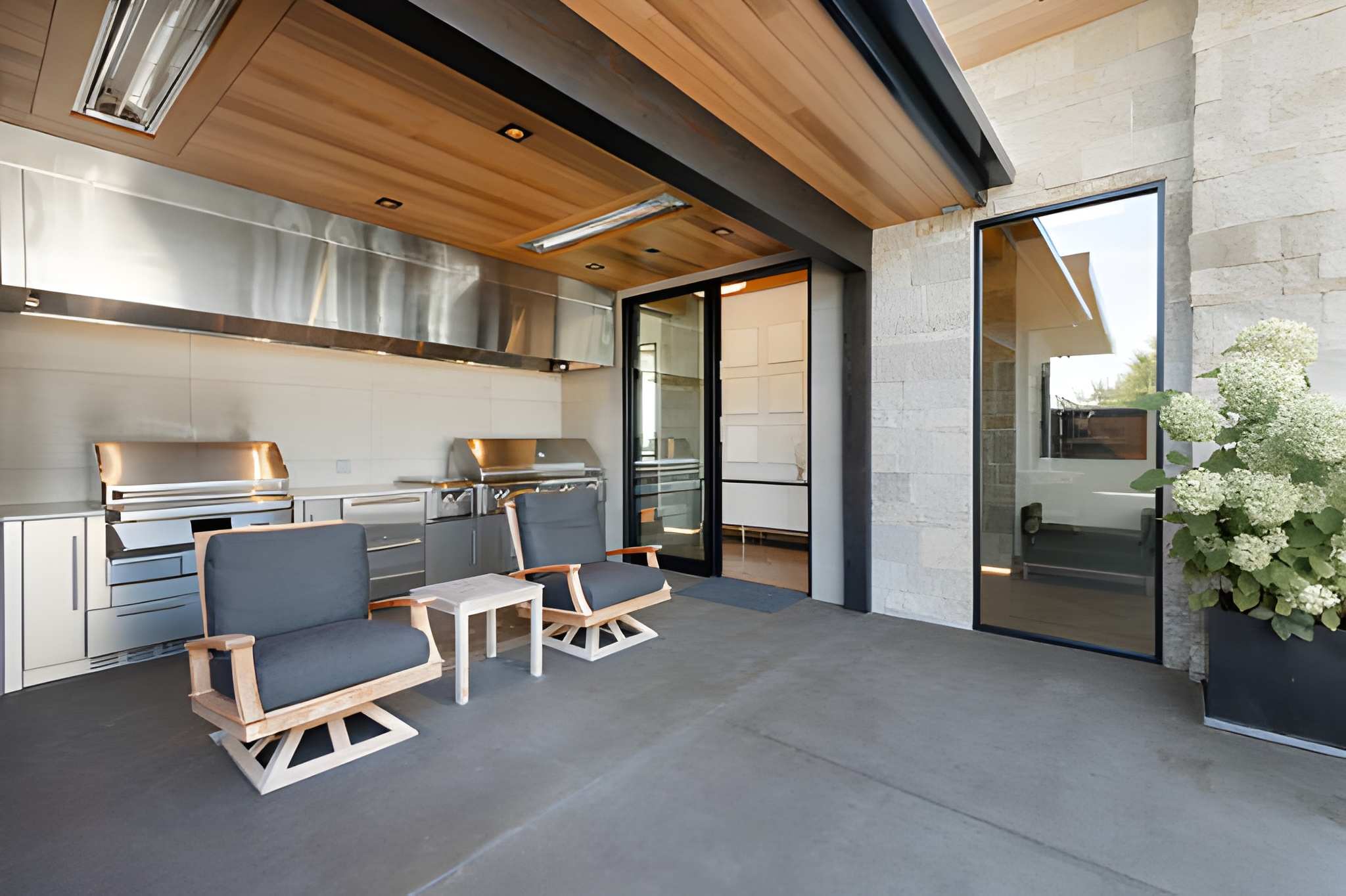
When people start planning an outdoor kitchen, they usually think about the grill first. Then the counter. Then maybe the seating. What about the modules? Those come later. But in reality, modules quietly decide how the entire kitchen feels to use. They shape movement, storage, comfort, and even how people gather around while you cook.
Looking at examples of outdoor modular kitchens makes this easier to understand. These kitchens are built from individual units that work together like pieces of a puzzle. You are not forcing a fixed design into your garden. A quick browse through the outdoor kitchen ideas on BBQs2u shows this clearly on their webpage.
You will understand that all these modules are not shown as random cabinets. They are presented as part of real, working layouts that make sense when you imagine using them.
Begin with how you cook outside
Before picking any modules, pause and think about your habits.
- Do you prepare food outdoors or bring it out ready?
- Do you cook one dish at a time or several together?
- Do you keep moving between areas while cooking?
- Do you like guests standing nearby while you work?
Your answers will quietly decide which modules are essential for you.
The core modules most outdoor kitchens rely on
Some units appear again and again because they simply work.
- A cooking or grill station module
- A prep counter with generous workspace
- Storage drawers and cabinets for tools and supplies
- A sink unit, if plumbing allows
These form the backbone of a practical outdoor kitchen.
Social modules change the feel of the space
Outdoor kitchens are no longer places where the cook stands alone.
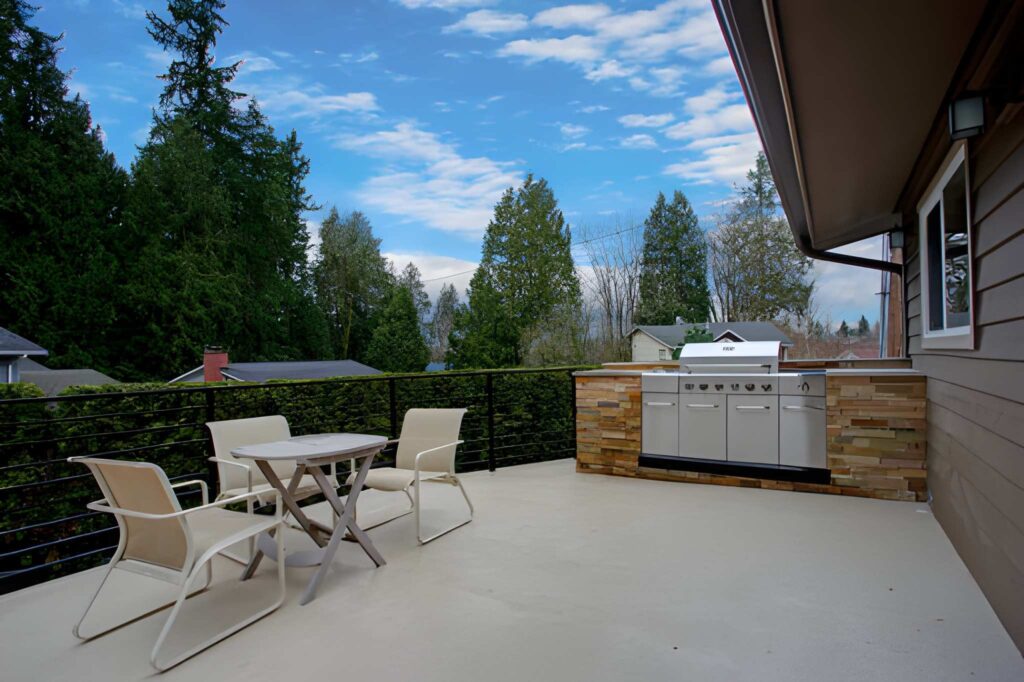
Adding modules like these changes everything:
- Bar counter sections with stool space
- Serving counters facing the garden
- Extended worktops where people can lean and chat
Suddenly, cooking becomes part of the gathering rather than separate from it.
Corner and filler modules deserve attention
Corners often become awkward dead zones if ignored.
- Corner cabinets turn wasted space into storage
- Filler units keep the layout flowing smoothly
- L-shaped connectors movements feel natural
These are small choices that make the kitchen feel complete rather than pieced together.
Match modules to the shape of your garden
Every outdoor space has its own quirks.
- Narrow patios suit straight-line arrangements
- Open corners work well with L-shaped layouts
- Larger gardens can handle island-style modules
- Compact spaces benefit from tightly planned units
Modules give you the flexibility to work with what you have.
A thoughtful module that improves usability
A detail worth noticing is the Whistler Fairford grill cabinet. It is both a cooktop and a convenient storage space, with storage under, tools and necessities within reach, and everything stored in a clean, ordered manner.
Let your lifestyle guide the choices
Ultimately, your modules must be aligned with the way you cook and live, but not with the appearance of a kitchen in photographs. Being properly designed, the space becomes natural to operate, friendly to the visitors, and a home in your garden.