
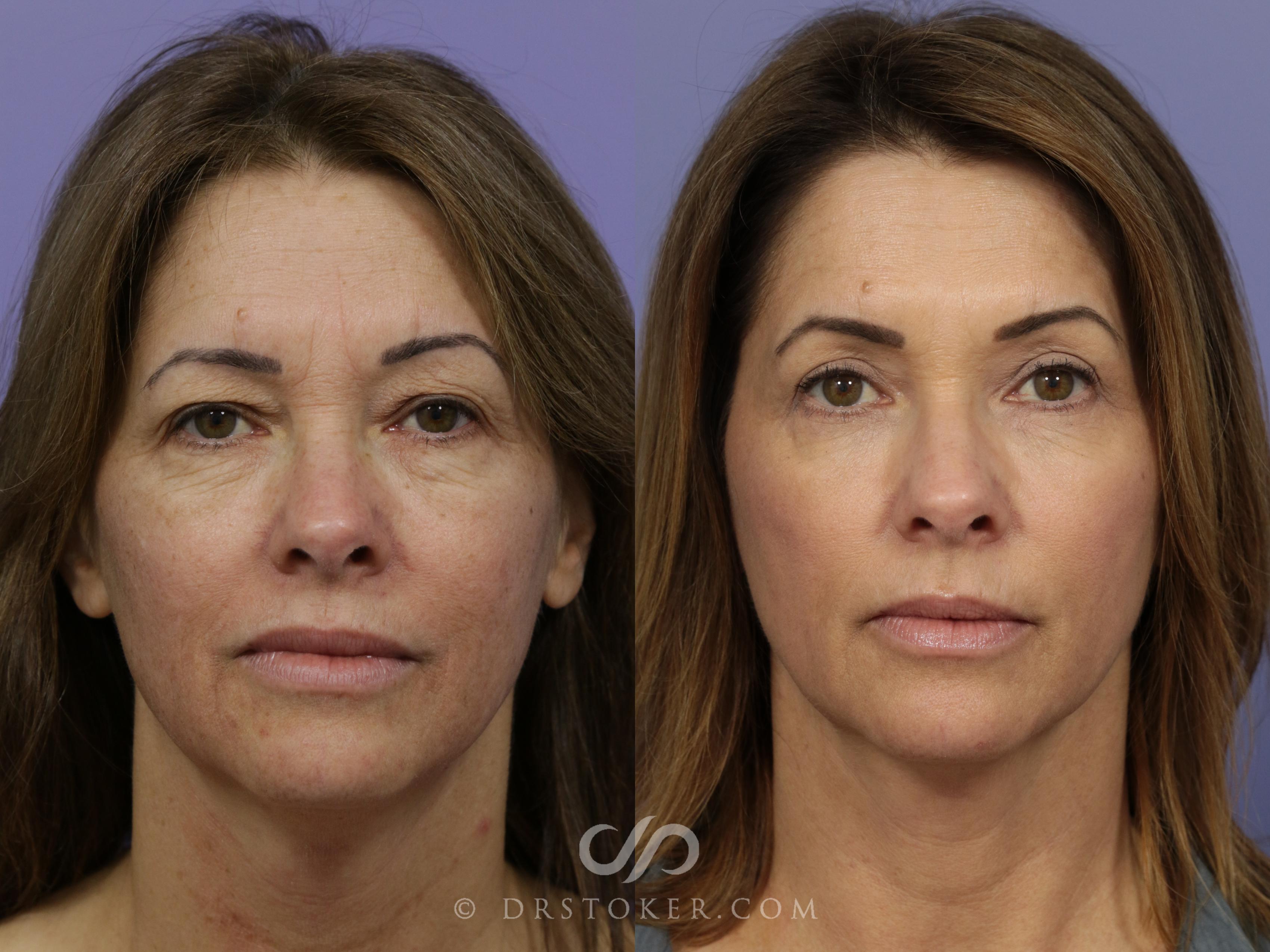
The Rise of Advanced Skin Rejuvenation
In 2026, the demand for non-invasive and highly effective anti-aging solutions continues to grow rapidly. Among the most discussed and widely adopted procedures is Laser Skin Resurfacing, a treatment that has evolved significantly over the past decade. People seeking smoother, younger-looking skin are increasingly turning to Laser Skin Resurfacing because it targets multiple signs of aging at once, including wrinkles, fine lines, sun damage, and uneven texture.
What makes Laser Skin Resurfacing especially relevant today is its ability to deliver noticeable results without the long recovery times associated with traditional surgical procedures. As technology advances, modern devices used in Laser Skin Resurfacing have become more precise, safer, and customizable, making them suitable for a wider range of skin types and concerns.
How Laser Skin Resurfacing Works on Aging Skin
Laser Skin Resurfacing works by directing concentrated beams of light into the skin layers. These beams remove damaged outer layers and stimulate collagen production in deeper layers. Collagen is a key protein responsible for maintaining skin firmness and elasticity, and its natural decline with age is one of the main causes of wrinkles and sagging.
In Laser Skin Resurfacing treatments, there are typically two main types of lasers used: ablative and non-ablative. Ablative Laser Skin Resurfacing removes thin layers of skin, offering dramatic results for deeper wrinkles and scars. Non-ablative Laser Skin Resurfacing, on the other hand, works beneath the surface without removing skin, making it gentler with shorter downtime.
By stimulating skin regeneration, Laser Skin Resurfacing gradually improves texture, tone, and tightness, which is why it is often considered one of the most effective anti-aging solutions available in 2026.
Why Laser Skin Resurfacing Is So Popular in 2026
One of the biggest reasons Laser Skin Resurfacing is seen as a leading anti-aging treatment is its versatility. It can address multiple skin concerns in a single procedure. Unlike topical creams that only work on the surface, Laser Skin Resurfacing penetrates deeper layers of the skin to create long-term improvements.
Another reason for its popularity is technological advancement. In 2026, Laser Skin Resurfacing devices are equipped with AI-assisted precision targeting, allowing dermatologists to customize treatments based on individual skin conditions. This reduces side effects and improves overall results.
Patients also appreciate that Laser Skin Resurfacing offers gradual, natural-looking improvements. Instead of an artificial or “overdone” appearance, the skin slowly becomes smoother and more youthful over time.
Benefits of Laser Skin Resurfacing for Anti-Aging
Laser Skin Resurfacing provides a wide range of benefits that make it a strong contender for the best anti-aging treatment in 2026.
One major benefit is wrinkle reduction. Fine lines around the eyes, mouth, and forehead respond particularly well to Laser Skin Resurfacing because of increased collagen stimulation. Over time, these lines become less visible and the skin appears firmer.
Another benefit is improvement in skin texture. Rough, uneven skin caused by sun exposure or aging can be significantly smoothed through Laser Skin Resurfacing. This creates a more polished and youthful appearance.
Laser Skin Resurfacing is also effective in reducing pigmentation issues such as age spots, sun spots, and discoloration. By removing damaged skin cells and promoting new cell growth, it helps restore a more even complexion.
Additionally, Laser Skin Resurfacing can improve the appearance of acne scars and other types of scarring, making it a versatile treatment beyond just anti-aging.
Comparing Laser Skin Resurfacing to Other Anti-Aging Treatments
While Laser Skin Resurfacing is highly effective, it is not the only anti-aging option available in 2026. Treatments like chemical peels, microneedling, and injectable fillers are also widely used.
Chemical peels focus on exfoliating the outer skin layer but generally do not reach the deeper structural layers where aging begins. Microneedling stimulates collagen production but typically offers more subtle results compared to Laser Skin Resurfacing.
Injectable fillers provide immediate volume restoration but do not improve skin quality or texture over time. In contrast, Laser Skin Resurfacing enhances the skin’s natural regeneration process, offering both immediate and long-term improvements.
This combination of surface renewal and deep tissue stimulation is why many experts consider Laser Skin Resurfacing one of the most comprehensive anti-aging treatments available today.
Who Is the Best Candidate for Laser Skin Resurfacing?
Laser Skin Resurfacing is suitable for many individuals, but it is not ideal for everyone. The best candidates are typically those with mild to moderate signs of aging, such as fine lines, uneven skin tone, or sun damage.
People with deeper wrinkles or more advanced aging may still benefit from Laser Skin Resurfacing, although multiple sessions might be required for optimal results. Skin type also plays an important role, as modern Laser Skin Resurfacing technologies in 2026 are safer for a broader range of skin tones than older systems.
However, individuals with certain skin conditions or active infections may need to avoid Laser Skin Resurfacing or delay treatment until their skin is healthy.
Risks and Recovery of Laser Skin Resurfacing
Although Laser Skin Resurfacing is considered safe when performed by trained professionals, it still carries some risks. Temporary redness, swelling, and sensitivity are common after treatment. In more intensive procedures, recovery time can range from a few days to several weeks.
Proper aftercare is essential for achieving the best results from Laser Skin Resurfacing. Patients are usually advised to avoid sun exposure, use gentle skincare products, and keep the skin well-hydrated during healing.
In 2026, improved laser technology has significantly reduced recovery times and side effects, making Laser Skin Resurfacing more accessible and comfortable than ever before.
Is Laser Skin Resurfacing the Best Anti-Aging Treatment in 2026?
Determining whether Laser Skin Resurfacing is the absolute best anti-aging treatment depends on individual goals and skin conditions. However, it is undeniably one of the most powerful and versatile options available today.
Laser Skin Resurfacing stands out because it addresses multiple signs of aging at once, promotes long-term collagen production, and delivers natural-looking results. Unlike temporary solutions, it improves the skin’s structure over time, making it a strong long-term investment in skin health.
For individuals seeking noticeable rejuvenation without surgery, Laser Skin Resurfacing is often considered the gold standard in 2026.
The Future of Laser Skin Resurfacing in Anti-Aging
The future of Laser Skin Resurfacing looks even more promising. With continued advancements in laser precision, cooling systems, and personalized treatment planning, the procedure is expected to become even safer and more effective.
Researchers are also exploring combination therapies where Laser Skin Resurfacing is paired with regenerative medicine techniques such as growth factor serums and stem-cell-based skincare. These innovations could further enhance results and reduce recovery time.
As anti-aging science continues to evolve, Laser Skin Resurfacing is likely to remain a central treatment in dermatology and cosmetic medicine.
Final Thoughts on Laser Skin Resurfacing and Anti-Aging
In 2026, Laser Skin Resurfacing continues to be one of the most advanced and effective anti-aging treatments available. Its ability to improve texture, reduce wrinkles, and stimulate natural skin regeneration makes it a preferred choice for many patients and professionals alike.
While no single treatment can be considered perfect for everyone, Laser Skin Resurfacing offers a powerful combination of results, safety, and long-term benefits. For those seeking a noticeable yet natural rejuvenation, it remains one of the strongest options in modern aesthetic medicine.