
Traveling through the Sichuan-Tibet route is an unforgettable journey that blends breathtaking natural landscapes, rich Tibetan culture, and thrilling adventure. For travelers seeking a unique combination of mountains, monasteries, and high-altitude experiences, this route offers everything from pristine rivers to snow-capped peaks. Planning a successful trip requires a solid Sichuan-Tibet route itinerary to make the most of your adventure while ensuring safety and comfort in a challenging environment.
Understanding the Appeal of the Sichuan-Tibet Route
The Sichuan-Tibet route is famous for its dramatic scenery and cultural immersion. Starting from Chengdu in Sichuan Province, the journey traverses winding mountain passes, deep valleys, and high plateaus before reaching the heart of Tibet. Along the way, travelers encounter iconic landmarks such as the Ganzi Tibetan Autonomous Prefecture, Kangding, Litang, and eventually the sacred city of Lhasa.
For many travelers, the route is more than just a scenic drive; it is a spiritual journey. Tibetan monasteries, prayer flags fluttering in the wind, and nomadic herders’ daily life offer glimpses into a culture that has remained largely unchanged for centuries. By following a well-planned Sichuan-Tibet route itinerary, visitors can balance sightseeing, cultural exploration, and acclimatization to high altitudes.
Recommended Duration and Best Time to Travel
The ideal time to explore the Sichuan-Tibet route is between May and October when the weather is relatively stable and roads are more accessible. Avoiding the harsh winter months is crucial as snow and icy conditions can make travel dangerous. A typical Sichuan-Tibet route itinerary usually spans 10 to 14 days, allowing travelers enough time to acclimatize to higher altitudes gradually and enjoy key stops along the way.
A common strategy is to take it slow, especially at altitudes above 3,000 meters. Most itineraries include rest days in major towns to prevent altitude sickness and allow the body to adjust. While adventure enthusiasts may be tempted to rush through the route, a careful pacing ensures a safer and more enjoyable experience.
Suggested Sichuan-Tibet Route Itinerary
Day 1-2: Chengdu
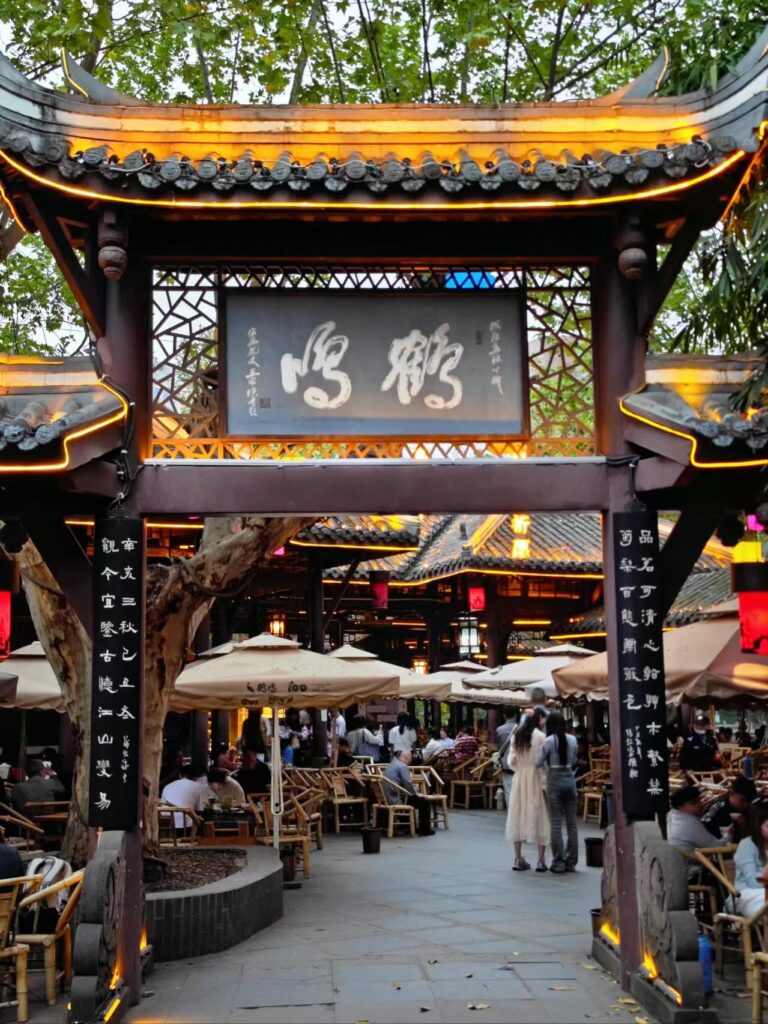
Starting in Chengdu, the provincial capital of Sichuan, travelers can explore cultural highlights like the Wuhou Shrine, Jinli Ancient Street, and the Giant Panda Breeding Research Base. Sampling Sichuan cuisine, especially spicy hotpot, is a must before embarking on the high-altitude journey. Staying an extra day in Chengdu allows travelers to rest and prepare mentally for the long journey ahead.
Day 3: Chengdu to Kangding
The journey from Chengdu to Kangding introduces travelers to the mountainous landscapes of western Sichuan. The drive, often spanning 400 kilometers, winds through valleys and rivers with panoramic views of snow-capped peaks. Kangding, the gateway to Tibet, offers a mix of Han and Tibetan culture. A short exploration of the Kangding Love Song Square and local monasteries provides insight into regional traditions.
Day 4-5: Kangding to Litang
From Kangding, the road leads to Litang, known for its high-altitude grasslands and the Litang Monastery. This section of the Sichuan-Tibet route is particularly stunning, with endless meadows dotted with grazing yaks. Litang, sitting at over 4,000 meters above sea level, is one of the highest towns in the world, making it an essential acclimatization stop. Travelers can experience traditional Tibetan life by visiting local markets and interacting with nomadic herders.
Day 6-7: Litang to Batang
Continuing west, the journey passes through scenic valleys and remote villages before reaching Batang. This section of the route is less frequented by tourists, offering a sense of solitude and untouched natural beauty. Batang provides opportunities to explore ancient monasteries and immerse in local Tibetan festivals if the timing aligns. Many travelers spend a night here to rest before tackling the higher mountain passes ahead.
Day 8-10: Batang to Bome and Nyingchi
The route then descends into Bome, known for its lush forests and river gorges. From Bome, travelers can continue to Nyingchi, often called the “Switzerland of Tibet” for its breathtaking alpine scenery. This part of the itinerary showcases dramatic contrasts between snow-capped peaks and deep green valleys. Adventure seekers can enjoy trekking, river rafting, or simply soaking in the natural beauty. Nyingchi also serves as an excellent stop to prepare for the final leg to Lhasa.
Day 11-14: Nyingchi to Lhasa
The last section of the Sichuan-Tibet route takes travelers to Lhasa, the spiritual heart of Tibet. Along the way, the route passes several high-altitude passes like the Mila Pass, offering sweeping views of the Himalayas. Upon reaching Lhasa, travelers can explore iconic landmarks such as the Potala Palace, Jokhang Temple, and Barkhor Street. Spending a few days in Lhasa allows for cultural immersion and recovery from the long journey, making it the perfect culmination of a meticulously planned Sichuan-Tibet route itinerary.
Tips for a Successful Journey
Traveling along the Sichuan-Tibet route requires preparation and flexibility. Here are essential tips for a successful adventure:
- Acclimatization: Gradually ascend to higher altitudes to prevent altitude sickness. Include rest days at key towns.
- Transport: Hiring a reliable vehicle or joining a guided tour ensures safety on mountainous roads.
- Health and Safety: Carry basic medications, stay hydrated, and avoid strenuous activities on the first days at high altitudes.
- Permits: Certain areas along the route require travel permits, so plan ahead and confirm requirements.
- Local Culture: Respect Tibetan customs, dress modestly, and ask permission before photographing people or monasteries.
Conclusion
The Sichuan-Tibet route is one of the most exhilarating travel experiences in the world. By carefully planning a Sichuan-Tibet route itinerary, adventurers can explore pristine landscapes, ancient monasteries, and vibrant Tibetan culture safely and comfortably. Whether you are trekking through high-altitude grasslands, crossing dramatic mountain passes, or immersing yourself in local traditions, this journey promises memories that will last a lifetime. For travelers seeking adventure with cultural depth, the Sichuan-Tibet route is truly unparalleled.