
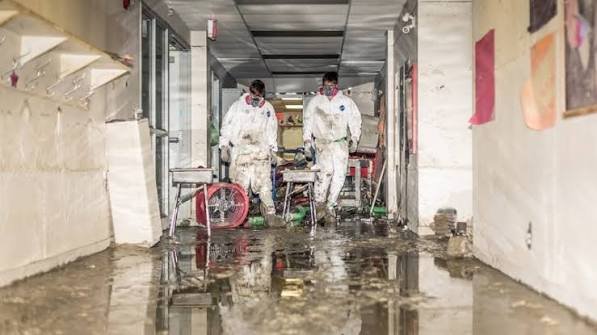
Unexpected property damage and hazardous incidents can happen at any time, leaving homeowners, business owners, and property managers facing urgent cleanup challenges. From water damage and fire-related debris to biohazard contamination and other emergency situations, these incidents often require immediate attention to protect emergency cleanup professionals people and prevent further damage. Although some cleanup tasks may appear manageable, serious situations demand specialized knowledge, professional equipment, and carefully planned procedures. This is why emergency cleanup professionals play an essential role in restoring affected properties safely and efficiently.
Understanding the importance of professional emergency cleanup services can help property owners make informed decisions when unexpected problems arise. With the right team, it becomes easier to manage immediate risks, reduce potential losses, and begin the recovery process with confidence.
Understanding the Importance of Emergency Cleanup Services
Emergency cleanup services are designed to address urgent situations that threaten property conditions, personal safety, or normal business operations. These situations may include flooding, sewage backups, fire damage, storm destruction, hazardous spills, and biological contamination.
When an incident occurs, delaying the appropriate response can allow damage to spread. Moisture may affect building materials, smoke residue can remain on surfaces, and contaminated areas may present continuing health concerns. A prompt professional response helps identify these issues and establish an appropriate cleanup strategy.
Emergency cleanup professionals assess the affected area, determine the nature of the damage, and select suitable methods for handling the situation. Their experience helps ensure that cleanup activities are organized, efficient, and consistent with applicable safety requirements.
Rather than relying on guesswork, property owners can benefit from a structured process that addresses immediate concerns while preparing the property for restoration.
Rapid Response Helps Prevent Further Property Damage
One of the most important advantages of hiring emergency cleanup professionals is their ability to respond quickly when urgent assistance is needed. Time can make a significant difference in the severity of property damage, especially after flooding, storms, plumbing failures, or fires.
For example, standing water can penetrate flooring, walls, insulation, and furniture. If moisture remains for too long, it can contribute to mold growth and material deterioration. Similarly, fire incidents may leave behind soot, smoke residue, and unpleasant odors that require specialized treatment.
Professional teams understand the importance of evaluating these conditions promptly. They can identify the most urgent problems, prioritize necessary actions, and recommend suitable restoration measures.
A rapid response does not simply mean arriving quickly. It also involves making informed decisions, using appropriate equipment, and addressing the underlying cause of the damage whenever possible. This combination helps prevent avoidable complications and supports a more effective recovery.
Protecting Health and Safety During Cleanup
Some emergency situations involve hazards that cannot be identified through a simple visual inspection. Biological contamination, sewage, chemical residues, and certain fire-related materials may present risks when handled incorrectly.
Emergency cleanup professionals receive training to recognize potential hazards and follow appropriate procedures for managing them. Depending on the incident, this may involve protective clothing, controlled access to affected areas, specialized cleaning products, and suitable waste-handling practices.
Biohazard-related cleanup requires particular care because contaminated materials may expose people to harmful microorganisms. In these situations, ordinary household cleaning methods may not provide the level of control needed to manage the risk.
Professional technicians evaluate the type and extent of contamination before selecting appropriate cleaning and decontamination methods. They also consider how to prevent contaminants from spreading into unaffected rooms or neighboring spaces.
By prioritizing safety throughout the process, emergency cleanup teams help protect occupants, workers, visitors, and others who may come into contact with the affected property.
Access to Specialized Equipment and Techniques
Emergency cleanup often requires more than basic cleaning supplies. Depending on the circumstances, professionals may need industrial water extraction equipment, air movers, dehumidifiers, HEPA-filtered equipment, specialized cleaning solutions, and appropriate protective gear.
Using the right equipment can improve efficiency and help address problems that would be difficult to manage with ordinary tools. For instance, moisture detection instruments can help technicians identify damp areas behind certain building surfaces, while professional drying equipment can support controlled moisture removal.
Fire damage may require different techniques for treating soot, smoke residue, and persistent odors. Meanwhile, contaminated environments may need carefully selected products and procedures that are appropriate for the specific hazard.
Equipment alone is not enough to guarantee successful results. Technicians must understand how to use it correctly and determine which methods are suitable for the materials and conditions involved.
This combination of technical knowledge and specialized resources makes emergency cleanup professionals valuable when a property requires immediate attention.
Managing Biohazard and Contamination Incidents Responsibly
Certain emergencies require specialized cleanup because they involve potentially infectious materials or other biological hazards. These incidents may occur in residential buildings, commercial properties, healthcare environments, or other occupied spaces.
Professional biohazard cleanup teams follow procedures designed to reduce exposure and prevent cross-contamination. Their responsibilities may include assessing affected materials, establishing controlled work areas, cleaning suitable surfaces, disinfecting according to the situation, and arranging appropriate disposal of regulated waste.
In some cases, porous materials or damaged furnishings may not be suitable for ordinary cleaning and may require removal by qualified personnel.
Responsible handling is important because improper cleanup can leave contamination behind or spread it to previously unaffected areas. Professional teams work to ensure that the affected space receives appropriate attention before it returns to normal use.
Property owners should communicate the nature of the incident as accurately as possible when requesting assistance. This allows the cleanup provider to determine whether specialized qualifications, protective measures, or additional services are necessary.
Reducing Stress During Unexpected Emergencies
Property emergencies can create considerable stress. Homeowners may worry about their belongings, living arrangements, repair costs, and the safety of family members. Business owners may also face pressure from interrupted operations, employee concerns, and customer expectations.
Working with experienced emergency cleanup professionals can make these situations easier to manage. Instead of attempting to coordinate every task independently, property owners can rely on a team that understands the general requirements of emergency response and restoration.
Professionals can explain the condition of the property, outline immediate priorities, and provide information about the next stages of recovery. Clear communication helps people understand what needs to happen and which decisions require their attention.
A reliable service provider should also explain the scope of its work, identify limitations, and communicate when additional specialists may be required.
Although professional assistance cannot eliminate every difficulty associated with an emergency, it can provide a clearer path forward and reduce the burden of managing complex cleanup tasks alone.
Supporting Business Continuity and Property Recovery
For businesses, an emergency can interrupt daily operations and affect employees, customers, inventory, and equipment. Even a relatively small incident may create significant disruption if affected areas cannot be used safely.
Emergency cleanup professionals help businesses assess the situation and determine which areas require immediate attention. Depending on the circumstances, their work may include removing damaged materials, addressing water intrusion, cleaning affected surfaces, and preparing suitable areas for repair.
A structured response can help property managers and business owners coordinate cleanup with electricians, plumbers, contractors, restoration specialists, and insurance representatives.
However, returning to normal operations should depend on safety assessments and any necessary approvals. A business should not reopen an affected area simply because visible debris has been removed.
By combining timely intervention with appropriate restoration planning, emergency cleanup services can support the recovery of commercial properties while helping organizations make practical decisions about their next steps.
Choosing the Right Emergency Cleanup Company
Selecting a qualified emergency cleanup company is an important decision, particularly when the situation involves hazardous materials or extensive property damage.
Property owners should consider several factors before choosing a provider.
Relevant training and experience: Look for a team with experience handling the specific type of emergency involved, whether it concerns water damage, fire restoration, or biohazard cleanup.
Appropriate equipment: Confirm that the company has access to suitable tools and protective equipment for the work required.
Safety procedures: Ask how the team assesses hazards, protects occupants, controls contamination, and handles waste.
Clear communication: A dependable provider should explain its services, estimated timelines, pricing structure, and any limitations before work begins whenever circumstances permit.
Documentation and coordination: Detailed records, photographs where appropriate, and written estimates can help property owners understand the work completed and coordinate with insurers or other restoration professionals.
It is also sensible to confirm relevant licenses, certifications, and insurance requirements for the service and location.
The cheapest option is not necessarily the most appropriate. When an emergency involves significant damage or potential health risks, the quality and suitability of the response should be major considerations.
The Value of a Planned and Professional Cleanup Process
Effective emergency cleanup follows a systematic approach rather than relying on rushed, uncoordinated activity. Although procedures vary by incident, the process generally begins with an initial assessment and identification of immediate risks.
The team then determines which areas need to be secured, what protective measures are necessary, and which cleanup tasks should receive priority. Appropriate removal, cleaning, drying, or decontamination work follows, depending on the circumstances.
After the initial cleanup, technicians may recommend additional inspections, repairs, or restoration services. Some incidents also require environmental testing or evaluation by other qualified specialists before the property can be considered ready for occupancy.
This organized approach helps reduce missed tasks and supports better coordination among everyone involved in the recovery process.
Property owners should remember that cleanup and complete restoration are not always the same thing. Removing visible debris may be only the first stage of returning a building to a safe, functional condition.
Conclusion
Emergency cleanup professionals matter because they provide the expertise, equipment, and organized response needed when immediate action is essential. Whether a property experiences flooding, fire damage, biological contamination, or another unexpected incident, the right team can help identify hazards, limit additional damage, and establish a practical recovery plan.
Professional services also help reduce the burden on homeowners and businesses by coordinating important cleanup tasks and communicating the steps required for restoration. Choosing a qualified provider with appropriate training, safety procedures, and experience is essential for achieving reliable results.
When an emergency occurs, acting promptly and seeking suitable professional assistance can make the recovery process more manageable. With a responsible approach to emergency cleanup, property owners can focus on protecting people, addressing damage, and restoring their spaces for future use.