
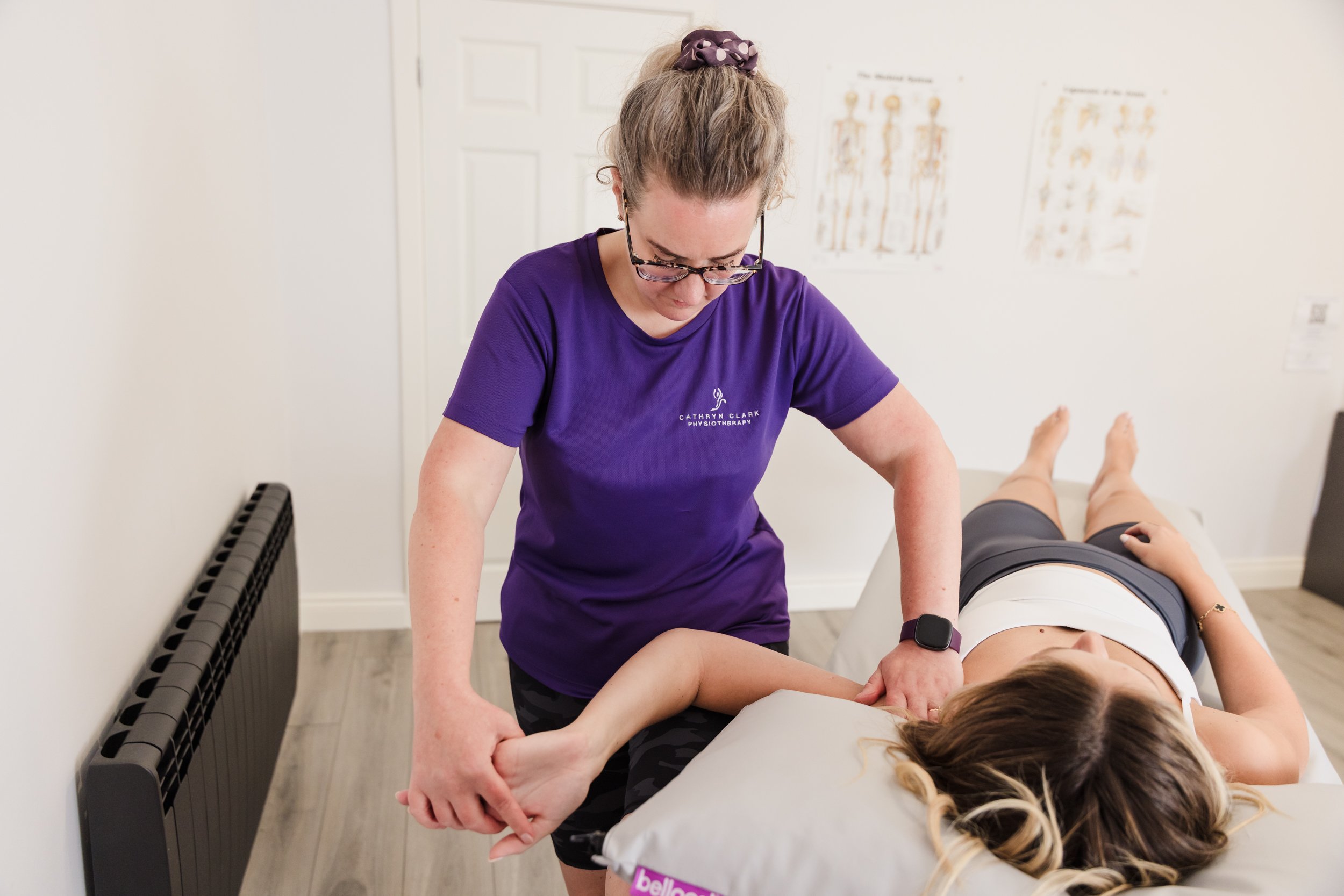
Maintaining proper balance, coordination, and physical stability is fundamental to human movement, athletic performance, and overall quality of life. Whether you are recovering from a sport-related injury, managing post-surgical rehabilitation, or simply dealing with chronic spinal and joint discomfort, working with a skilled physiotherapist in Katowice provides a structured path toward regaining total motor control.
Dedicated stability training aids in neuromotor rehabilitation and dynamic coordination.. Source: Leonardo Moreno / Getty Images
Dynamic physical function relies on a complex interaction between the central nervous system, muscle groups, and sensory feedback mechanisms. When any part of this system is disrupted by injury, surgery, or posture imbalances, your body loses its ability to react swiftly to changes in terrain or sudden physical demands. Through specialized care and targeted therapeutic interventions, professional rehabilitation helps restore postural control and movement fluidness.
The Neuromuscular Foundation of Balance and Stability
Balance and stability are not passive traits; they are active processes requiring precise communication between your brain, inner ear, eyes, and proprioceptors—specialized sensory nerve endings located within your muscles, tendons, and joints.
When you step on an uneven surface, your proprioceptors send immediate signals to your brain, which then instructs specific muscle groups to contract and steady your body. When pain, joint swelling, or neural inhibition occurs, this communication loop slows down.
Key Factors Influencing Motor Control
- Proprioceptive Awareness: The ability to sense the position and movement of your limbs in space without visually checking them.
- Core and Proximal Stability: Strong, coordinated deep trunk musculature (including the abdominis, multifidus, and pelvic floor) that anchors your limbs during movement.
- Joint Mobility and Tissue Elasticity: Adequate range of motion in the ankles, knees, hips, and spine to adapt smoothly to biomechanical changes.
- Neuromuscular Reaction Speed: The efficiency with which your nerves signal muscles to contract in response to external perturbations.
Without adequate stability, simple tasks such as walking down stairs, pivoting quickly during sports, or carrying groceries can result in awkward compensation patterns or acute joint strains.
How Specialized Physical Therapy Restores Coordinated Movement
Restoring movement mechanics requires a comprehensive diagnostic approach followed by tailored physical treatment. High-quality rehabilitation addresses both the symptom—such as joint pain or muscle weakness—and the underlying functional deficit.
Professional care focused on fizjoterapia w Katowicach provides individualized assessment and targeted interventions tailored to every patient’s specific physical needs.
Comprehensive Biomechanical Assessment
A clinical consultation begins with an evaluation of your functional movement patterns. Your physical therapist evaluates your gait, joint alignment, muscle activation timing, and balance under static and dynamic conditions. Identifying specific kinetic chain failures allows for the creation of a targeted treatment protocol.
Targeted Manual Therapy and Tissue Release
Joint stiffness and soft tissue restrictions often prevent proper postural alignment. Manual therapy techniques—including joint mobilizations, soft tissue release, and trigger point therapy—help relieve structural tension, lower pain levels, and restore normal articular mechanics so your sensory systems can function without interference.
Specialized Treatment Modalities
Modern physical therapy integrates advanced modalities to accelerate recovery and manage localized inflammation or deep muscle knots:
- Focused Shockwave Therapy (Fala Uderzeniowa Skupiona): Delivers acoustic energy directly to deep damaged tissues, promoting cellular repair, breaking down calcified adhesions, and relieving persistent soft tissue pain.
- Dry Needling (Suche Igłowanie): Involves inserting micro-thin needles into myofascial trigger points to release chronic muscle tightness and reset hyperactive nerve pathways.
- Orthopedic Manual Therapy: Direct hands-on techniques designed to improve joint gliding and alleviate joint compression.
The Role of Targeted Rehabilitation in Injury Recovery and Sports Performance
Rehabilitation extends beyond pain relief; it is essential for rebuilding functional strength and preventing re-injury. For athletes and active individuals, specialized sports physical therapy focuses on dynamic stability and biomechanical efficiency.
Orthopedic and Post-Surgical Rehabilitation
Following orthopedic surgery—such as ACL reconstruction, meniscus repairs, or joint arthroplasty—muscle atrophy and joint stiffness set in quickly. Early, structured rehabilitation re-educates the nervous system to engage dormant muscles, stabilizes vulnerable joint structures, and systematically restores full weight-bearing capabilities.
Enhancing Athletic Performance and Prevention
Athletes depend on explosive power combined with instantaneous deceleration skills. Balance and stability training enhances agility, optimizes energy transfer across the kinetic chain, and significantly minimizes the risk of non-contact injuries, such as ligament sprains and tendon tears.
Modern Physical Therapy Services at Aktive-Med Katowice
For individuals seeking comprehensive diagnostic care and tailored rehabilitation strategies, Aktive-med stands out as a premier physical therapy center in the region.
Located in Katowice at ul. Rolna 59C, the clinic is managed by experienced physical therapist mgr Magdalena Burska-Pawlik. The practice offers high-spec care dedicated to guiding patients back to pain-free movement and peak physical performance.
Specialized Areas of Care
Aktive-med offers comprehensive diagnostic and therapeutic programs covering a wide variety of conditions:
- Orthopedic Physical Therapy: Comprehensive management of structural bone, joint, and soft tissue dysfunctions.
- Manual Therapy: Targeted mobilization and manipulation of the spine and peripheral joints.
- Spine and Joint Pain Relief: Treatment for acute disk herniations, chronic sciatica, neck stiffness, and peripheral joint discomfort.
- Post-Traumatic and Post-Surgical Rehabilitation: Structured programs designed for recovery after sports injuries, fractures, and orthopedic procedures.
- Sports Physical Therapy: Tailored protocols designed to improve athletic mechanics and facilitate safe return-to-sport transitions.
- Advanced Modalities: Professional application of dry needling (suche igłowanie) and focused shockwave therapy (fala uderzeniowa skupiona).
By combining hands-on manual techniques with modern therapeutic modalities and functional movement retraining, patients receive rounded support aimed at long-term mobility and sustained functional health.
Practical Exercises to Improve Stability and Balance at Home
While professional guidance ensures optimal recovery, incorporating daily stability exercises into your routine reinforces your body’s neural pathways.
| Exercise Level | Exercise Name | Target Area | Primary Benefit |
|---|---|---|---|
| Beginner | Single-Leg Stance | Ankle & Foot Complex | Improves static balance and foot intrinsic strength. |
| Intermediate | Tandem Stance with Head Turns | Vestibular & Ankle Proprioceptors | Enhances sensory integration and dynamic balance. |
| Advanced | Single-Leg Deadlift (SLDL) | Posterior Chain & Core | Rebuilds dynamic hip stability and kinetic control. |
| Advanced | Unstable Surface Squat | Whole Body Kinetic Chain | Challenges real-time neuromuscular reflexes and motor planning. |
Guidelines for Safe Training
- Prioritize Control Over Duration: Perform each movement slowly, focusing on precise alignment rather than holding a position through compensation.
- Train Near a Safe Support Structure: Keep a wall or sturdy chair within arm’s reach when trying new balance challenges.
- Consistency Matters: Dedicating 5 to 10 minutes daily to balance exercises produces faster neuromuscular adaptations than infrequent, long training sessions.
Long-Term Health Benefits of Maintaining Physical Stability
Investing time in balance, coordination, and stability yields substantial returns across every stage of life. Beyond immediate recovery from injury or pain, optimal postural control offers lasting physical advantages:
- Reduced Fall Risk: Sharp proprioceptive reflexes significantly lower the chance of accidental slips, trips, and falls.
- Protected Joint Surfaces: Proper weight distribution and smooth biomechanics reduce wear and tear on cartilage, helping stave off degenerative joint conditions.
- Optimized Posture: Balanced muscle activation reduces chronic strain on the spinal column and lumbar musculature.
- Greater Physical Confidence: Fluid movement control empowers individuals to remain active, participate in sports, and handle daily tasks with ease.
Working with a skilled physical therapist allows you to resolve pain, address hidden functional compensations, and rebuild your body’s foundation for lasting movement efficiency. Whether recovering from an acute injury or pursuing overall health improvements, personalized rehabilitation is the key to achieving strong, stable, and confident mobility.