
Long nursing shifts can test both physical stamina and mental focus. A nurse may spend hours walking between patient rooms, standing during procedures, assisting patients, completing documentation, and responding to unexpected situations. When these responsibilities continue for 10 or 12 hours, fatigue can gradually become more noticeable.
This a guide for nurses on long shifts offers practical strategies for preparing before work, staying comfortable during the shift, and recovering afterward.
Why Long Shifts Can Affect Nurses
Extended shifts can place repeated demands on the feet, legs, back, and shoulders. Standing and walking for many hours may leave the legs feeling heavy or the feet feeling sore.
Mental fatigue can develop too. Nurses need to remain attentive, communicate effectively, remember important information, and make decisions throughout their shifts.
Managing these demands requires more than simply pushing through tiredness. A good routine can help nurses take better care of themselves while meeting their professional responsibilities.
Prepare the Night Before
A long shift is easier to approach when you don’t have to rush in the morning.
Prepare your uniform, shoes, food, snacks, and water bottle ahead of time. If you use compression stockings or other personal work essentials, place them somewhere easy to find.
This simple preparation can reduce morning stress and give you more time to focus on getting enough rest.
Protect Your Sleep
Sleep should be a priority before and after long shifts.
Try to establish a sleep routine that works with your schedule. Nurses working nights or rotating shifts may need to adjust their sleeping hours, but maintaining a consistent pattern where possible can be helpful.
If you’re sleeping during the day, consider reducing light and noise in your bedroom. A comfortable sleeping environment can make daytime rest easier.
Select Supportive Footwear
A nurse can spend much of a long shift standing and walking. That’s why footwear should be considered an essential part of preparation.
Choose shoes that fit comfortably and provide appropriate support. Avoid footwear that creates pressure points or causes your feet to slide inside the shoe.
Check your shoes periodically for signs of wear. Excessively worn cushioning or soles may affect comfort.
Give Your Legs Extra Support
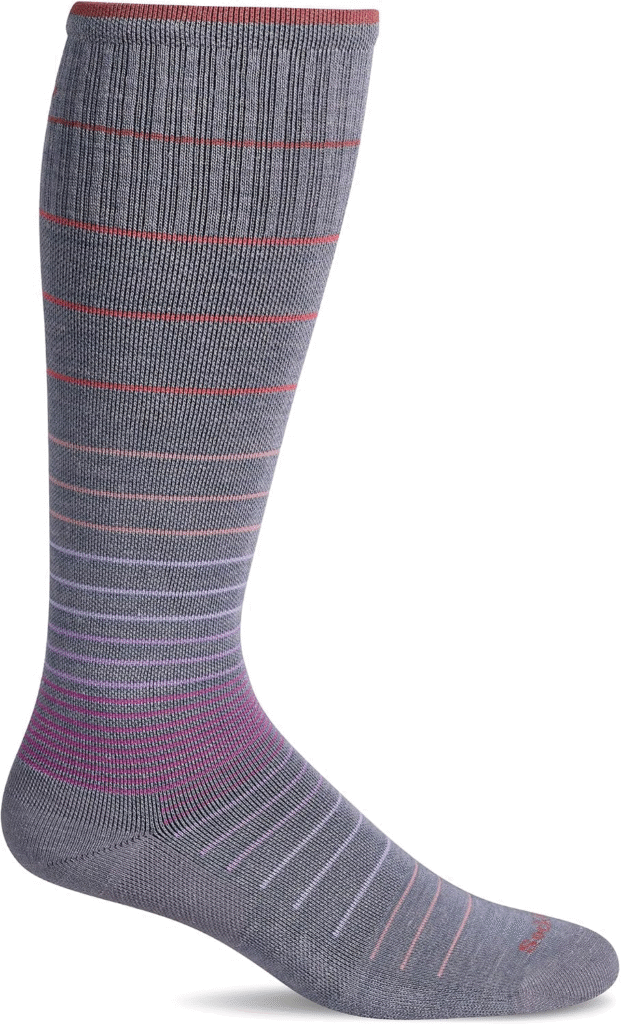
Long periods on your feet can contribute to tired or uncomfortable legs. Some nurses use compression stockings during extended shifts.
Compression stockings apply graduated pressure to the legs. They are available in different lengths, materials, and compression levels.
If you’re considering compression stockings, especially because of ongoing swelling or pain, speak with a healthcare professional about whether they’re suitable for you and what level may be appropriate.
Hydrate Before You Feel Dehydrated
It’s easy to forget about drinking water during a busy shift.
When appropriate and permitted by workplace policies, keep water accessible. Use your scheduled breaks as opportunities to drink.
Your hydration needs can vary depending on your activity level, environment, and individual circumstances, so follow any specific advice provided by your healthcare professional.
Pack Food That Is Easy to Manage
Long shifts don’t always go according to schedule. A meal break may happen later than expected, making convenient food especially useful.
Pack foods that are nutritious and easy to store. Consider meals and snacks containing protein, carbohydrates, fruits, vegetables, and other foods that fit your dietary preferences.
Having food available can help you avoid relying completely on vending machines or fast food.
Use Breaks to Recharge
A break is valuable because it gives your body and mind a chance to slow down.
If you’ve been standing, sit down. If you’ve been concentrating intensely, take a few minutes to mentally disconnect. Drink water and eat your meal without rushing when possible.
Even a short period of recovery can make the remaining hours feel more manageable.
Move in Small Ways
Nursing involves plenty of movement, but repetitive tasks can still cause stiffness.
When your responsibilities allow, change positions and use simple movements. Ankle circles, gentle calf stretches, shoulder rolls, and light mobility exercises can be incorporated into appropriate moments.
These movements shouldn’t interfere with patient care or workplace safety.
Manage Mental Fatigue
Long shifts can make it difficult to maintain the same level of concentration throughout the day.
Stay organized and prioritize responsibilities according to your workplace procedures. Communicate clearly with colleagues and use appropriate breaks to reset.
If you notice that fatigue is significantly affecting your concentration or ability to work safely, follow workplace procedures and communicate with the appropriate supervisor.
Be Thoughtful About Caffeine
Caffeine is a common part of many nurses’ routines, particularly during overnight shifts.
While it may improve alertness for some people, consuming too much can interfere with sleep. This can create a cycle in which poor sleep leads to greater reliance on caffeine.
Pay attention to the amount and timing of caffeine you consume.
Look After Your Feet After Work
Your feet may need recovery after spending many hours walking and standing.
Once you’re home, give yourself time to relax. Comfortable clothing and gentle movement may help you transition from work to rest.
If you experience persistent pain, major swelling, numbness, weakness, or other unusual symptoms, seek professional medical advice.
Don’t Ignore Recovery Between Shifts
Recovery becomes especially important when you have several long shifts scheduled close together.
Try to protect your sleep and avoid unnecessary activities that leave you more exhausted. Use your time away from work to rest and recharge.
Recovery isn’t wasted time. It’s part of preparing your body and mind for the next demanding shift.
Know the Difference Between Normal Tiredness and Concerning Symptoms
Feeling tired after a long shift is common. However, symptoms that are severe, persistent, or unusual should not automatically be blamed on work.
Pay attention to significant swelling, persistent pain, dizziness, weakness, numbness, or other concerning changes.
When in doubt, seek advice from a qualified healthcare professional.
Build a Routine That Fits Your Lifestyle
The best approach to long shifts will differ from one nurse to another.
Some nurses may prioritize meal preparation, while others may find that sleep, footwear, hydration, or leg support makes the biggest difference.
Start with a few manageable changes and build your routine gradually. A simple routine that you follow consistently is usually more useful than a complicated plan that becomes difficult to maintain.
Long-Shift Preparation Checklist
Before a long shift, consider whether you have:
- Comfortable and supportive footwear
- A prepared meal
- Convenient snacks
- A water bottle
- Adequate rest
- Appropriate work clothing
- Compression stockings if recommended and suitable
- A plan for getting home and recovering safely
Preparing these basics can make a demanding shift feel more organized.
Final Thoughts
A guide for nurses on long shifts should focus on realistic ways to protect comfort, energy, and concentration. Nurses cannot always control how busy a shift will be, but they can often control how prepared they are.
Prioritizing sleep, wearing supportive footwear, staying hydrated, eating balanced meals, taking appropriate breaks, moving when possible, and allowing enough recovery time can all support a healthier approach to long working hours.
Taking care of yourself doesn’t take away from caring for your patients. It can help you remain focused, comfortable, and prepared throughout the demanding hours of a nursing shift.